 +38 0342 504605
  office@arpi.org.ua


The hum of cars, crowded streets, traffic jams that constantly exhaust the inhabitants of a modern city - all this comes as a not-so-nice bonus to the desire to live in a metropolis that both gives you prospects and constantly steals your life resources. Have you ever had a desire to find your own place, away from the bustling city, and experience life the way our ancestors did? It's like going on vacation to your grandmother's village, which once seemed like a place of peace and warmth.
Have you ever been to the homes of your great-grandmothers? In these small houses with large embroidered pillows and stoves, in God-forsaken villages that literally breathed with the traditions of the Ukrainian people. The initiative team of the Heritage.UA Charitable Foundation took on the revitalization of these old historic huts.
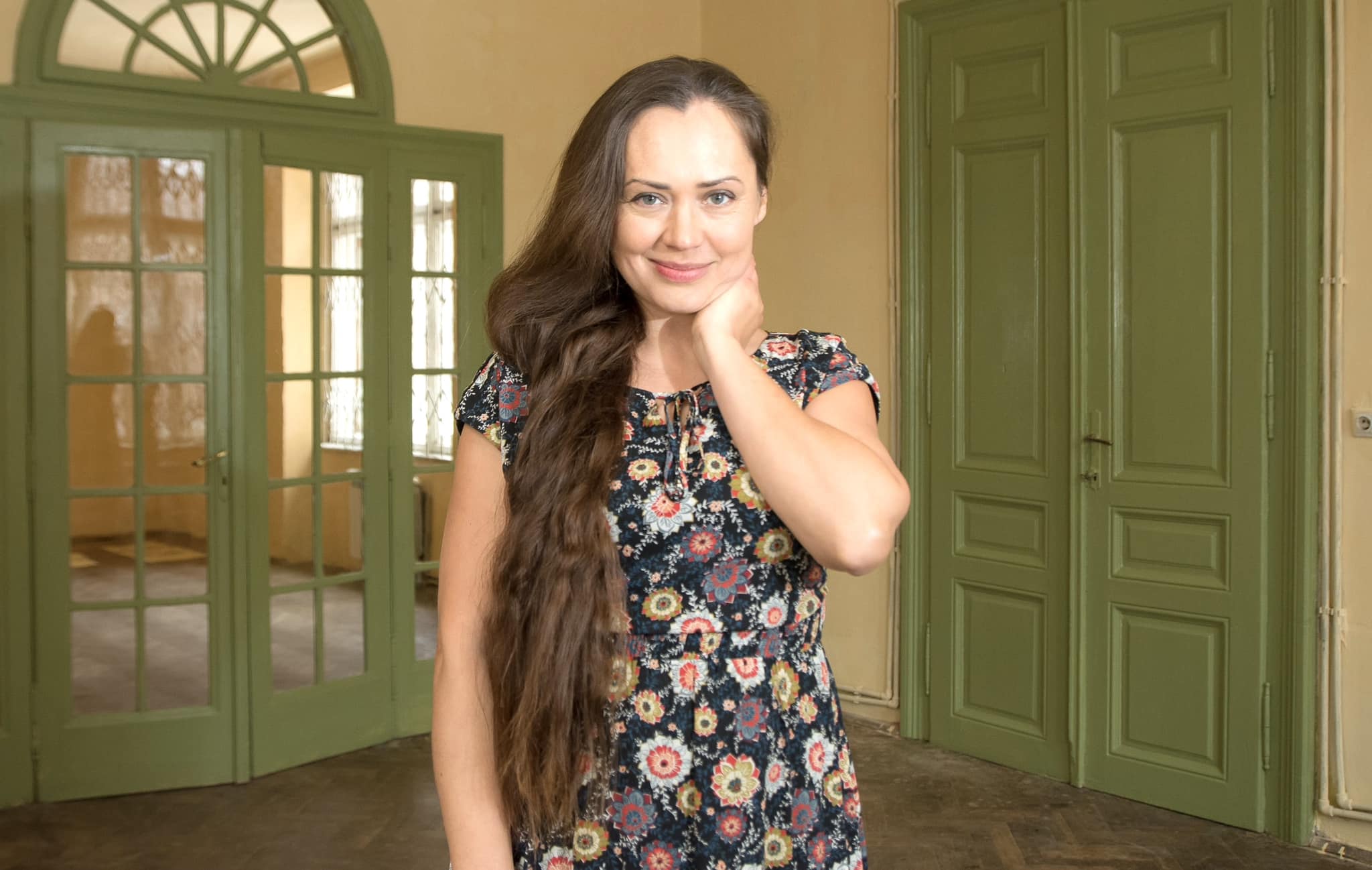
Hanna Havryliv, the founder of the Heritage.UA initiative, head of the Palace Rozdil LLC, a public figure in the field of cultural heritage, a specialist in historical real estate, an expert of the GO!Heritage CSO Network for supporting heritage communities, and an inspiring person who is not afraid to share her inner energy, told us about the birth of the Painted Pomorians. “The idea of restoring authentic huts in small communities arose spontaneously and out of desperation. We at the charitable foundation relied on the Pomorian Castle, an architectural monument of national importance of the XVI - XVII centuries in the Lviv region, our first and, at that time, only project to revive the cultural heritage of Ukraine. We saw it as a magnet that would give impetus to the sustainable development of the region's cultural and tourist potential. We believed that by organizing a number of target and transit tourist routes and providing hospitality infrastructure, we would be able to keep a tourist in Pomoryany for 1-2 days. Therefore, a network of green estates based on restored authentic huts around the castle seemed to be the right thing to do.”
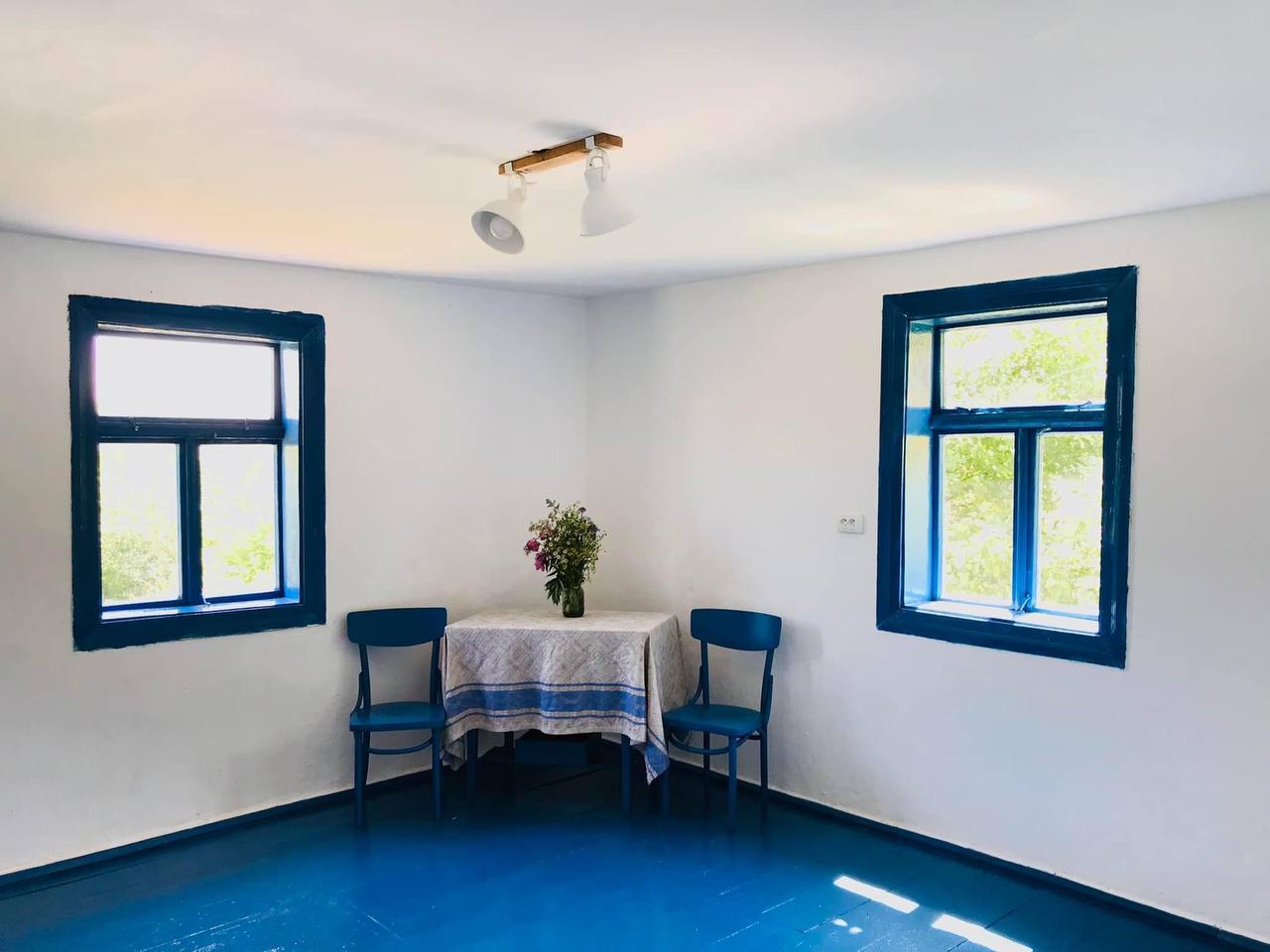
So, active work on such an attractive project began, and by 2020, he, his team, and the local community were ready to launch systemic tourism, having laid several routes and restored the first 3 lodges. But that year turned out to be difficult for each of us and for this initiative. “In 2022, we finally made the decision to complete the work on Pomorian Castle. We decided to say goodbye to the huts as well, so we put them up for sale. Imagine my surprise when the first one was picked up on the same day, and the number of calls made me realize that the time for valuing authentic homes in small communities has come!” Hanna says with enthusiasm.
So how did old houses in the village become very attractive housing for young Ukrainians? “The Heritage.UA team embedded the traditions of our ancestors' construction in each house, which became a magnet not only for tourists but also for those who wanted to settle there. “The project was named “Painted Pomorians” after the name of the village where it was launched. In the vicinity of the village, there are large deposits of lupoka and clay, so a local type of clay-framed huts has historically been formed there, which we restore, whitewash with lime, and paint the carpentry in a different color each time.”
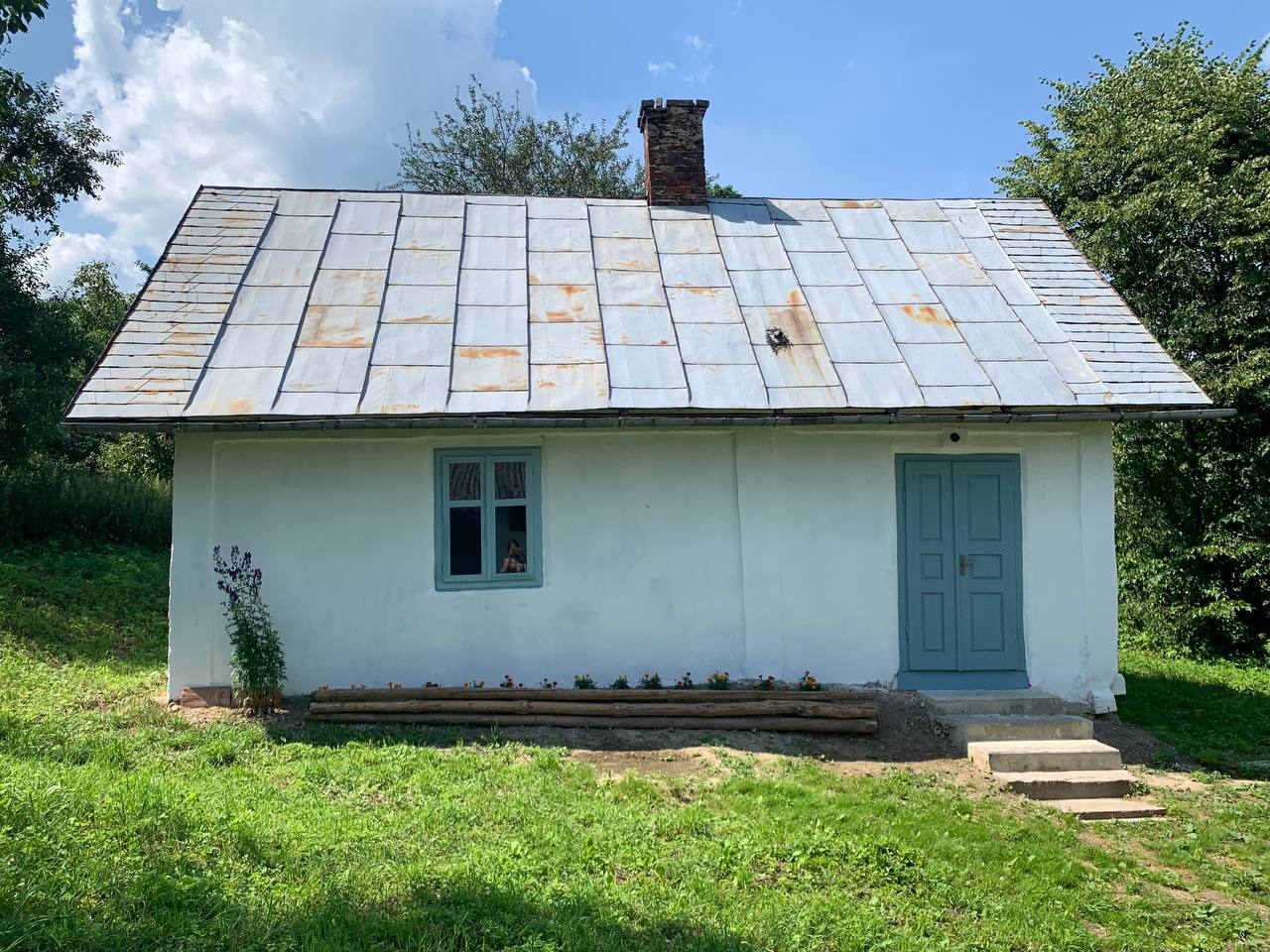
Over the past 3 years, 25 historic houses have been restored. And 90% of them already have new owners. But what makes people leave their comfortable city apartments and seek inspiration in the peace and harmony hidden among the ancient walls? Hanna knows the answer to this question well: “Even earlier, Ukrainian society had “pastoral” moods, dreams of downshifting and living in unity with nature, but they were rather individual in nature. The “boom” actually began in 2022. COVID19 and the war, in our opinion, were only catalysts: the former gave a clear realization that it is possible to do work of the same quality remotely and live an active social life outside of big cities. The war pushed us to look for places where it is safer and there are alternative sources of heating, as well as centers of peace, recovery, and “escape.” But there was one more very important factor, and we believe that it was the key one: the war pushed to the surface the awareness of our national identity, the “digging up” of our own roots, and finally created the value of cultural heritage in the eyes of Ukrainian society as one of the instruments of identity - something that dozens of public initiatives in Ukraine have been working on for the past decades. All of the new owners of our huts have the same portrait: young, nationally conscious, socially active Ukrainian-speaking Ukrainians who share the same philosophy as us.”
Along with rebuilding homes, they also managed to revive life in small communities. The villages that seemed to be useless have sparkled with new colors. And it's not just the colors of the houses. “Today, in 2024, moving to God-forsaken Ukrainian villages for long weekends and the warm season has become a national trend. And I'm happy that our work in this field was not in vain and socially useful as an initiative to revive, albeit small, but still objects of Ukraine's cultural heritage,” the manager adds.
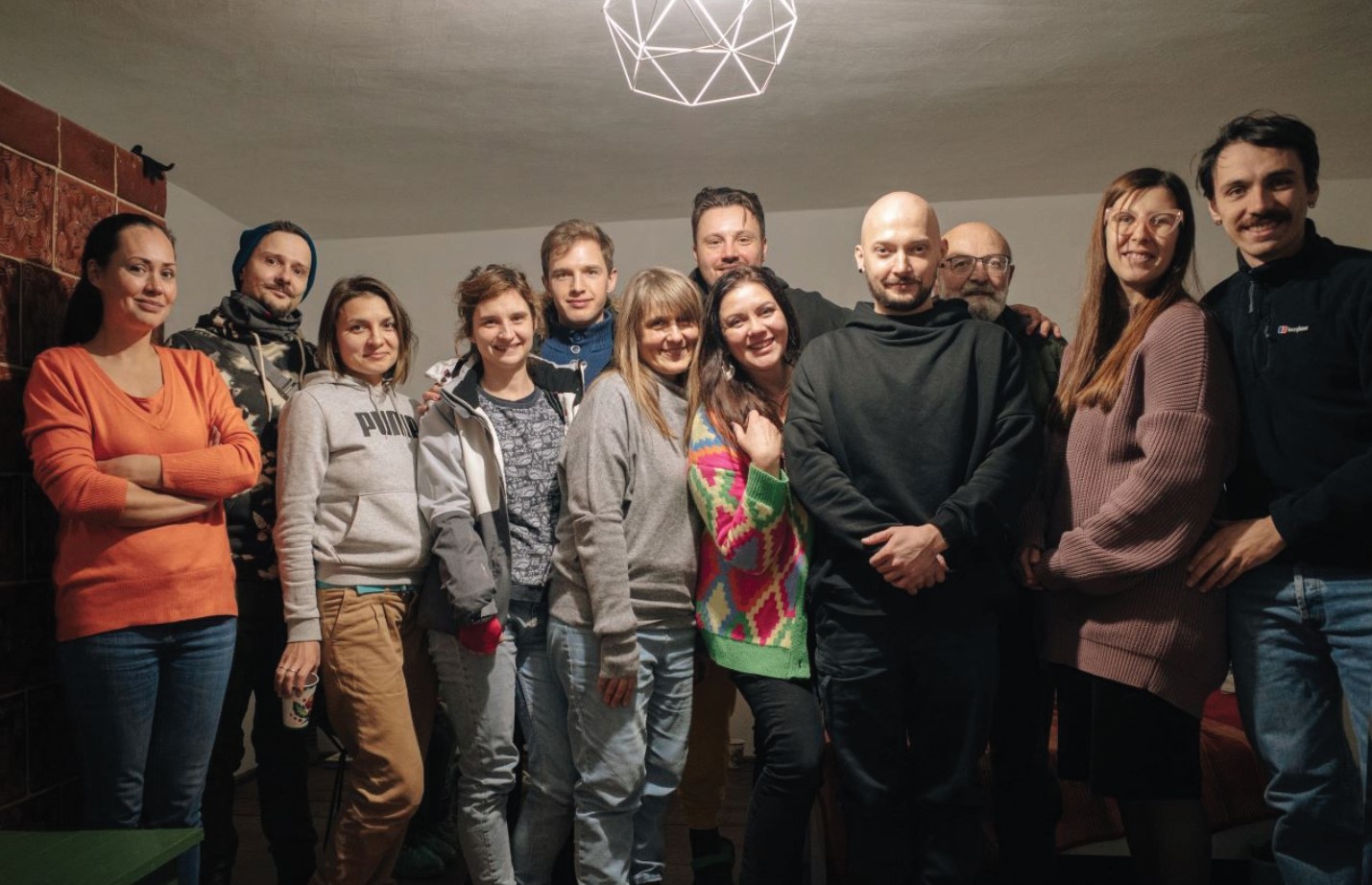
Today, the charity's team sees “Painted Pomorians” as a project to revitalize a Ukrainian historic village - not a network of square meters, but a nationally-centered worldview initiative and a new philosophy of life for those who believe in decentralization and small communities. There is no question that this idea has been successful. “In Pomoriany, once a large royal city, and until recently a depressed dying village with an actual population of about a thousand people, since the start of the project, a residence of 15 houses has been formed, and in fact, fifteen socially active citizens or families, who by their very presence give the village a chance for a new life. I am convinced that reaching a certain critical number of residents will lead to a slow but irreversible restoration of the historic town, and thus a chance for the revival of Pomorianskyi Castle. At the same time, we are developing a similar residence in the Bibr community in the Lviv region in the historic village of Selyska near Svirzh Castle. Currently, Selyske Hrono has three side-by-side huts, and we are looking for opportunities to expand the project at this location.”
The Heritage.UA team is not going to stop there. In conclusion, Hanna added: “We dream of somehow buying out and bringing back to life an entire historic village and making it a solid Pirohovo, a solid Ladomyria, or a solid Shevchenko Grove, not a museum, but a place where Ukrainians live, create, and give birth to Ukrainians.”
The article was prepared within the framework of the project of the Agency for Private Initiative Development "Promoting Youth Civic Participation in Decentralized Communities" with co-financing from the National Endowment for Democracy (NED).

 26 Dnistrovska St., office 12