 +38 0342 504605
  office@arpi.org.ua


Imagine a place where the Southern Bug and the Dnieper Rivers meet, forming a densely green estuary, which is suddenly prevented from merging with the Black Sea by the famous Kinburn Spit. On the opposite side of the Kinburn Peninsula, the estuary rests against amazing red rocks - mighty clay blocks, overgrown with special vegetation, and sometimes cosmically bare.
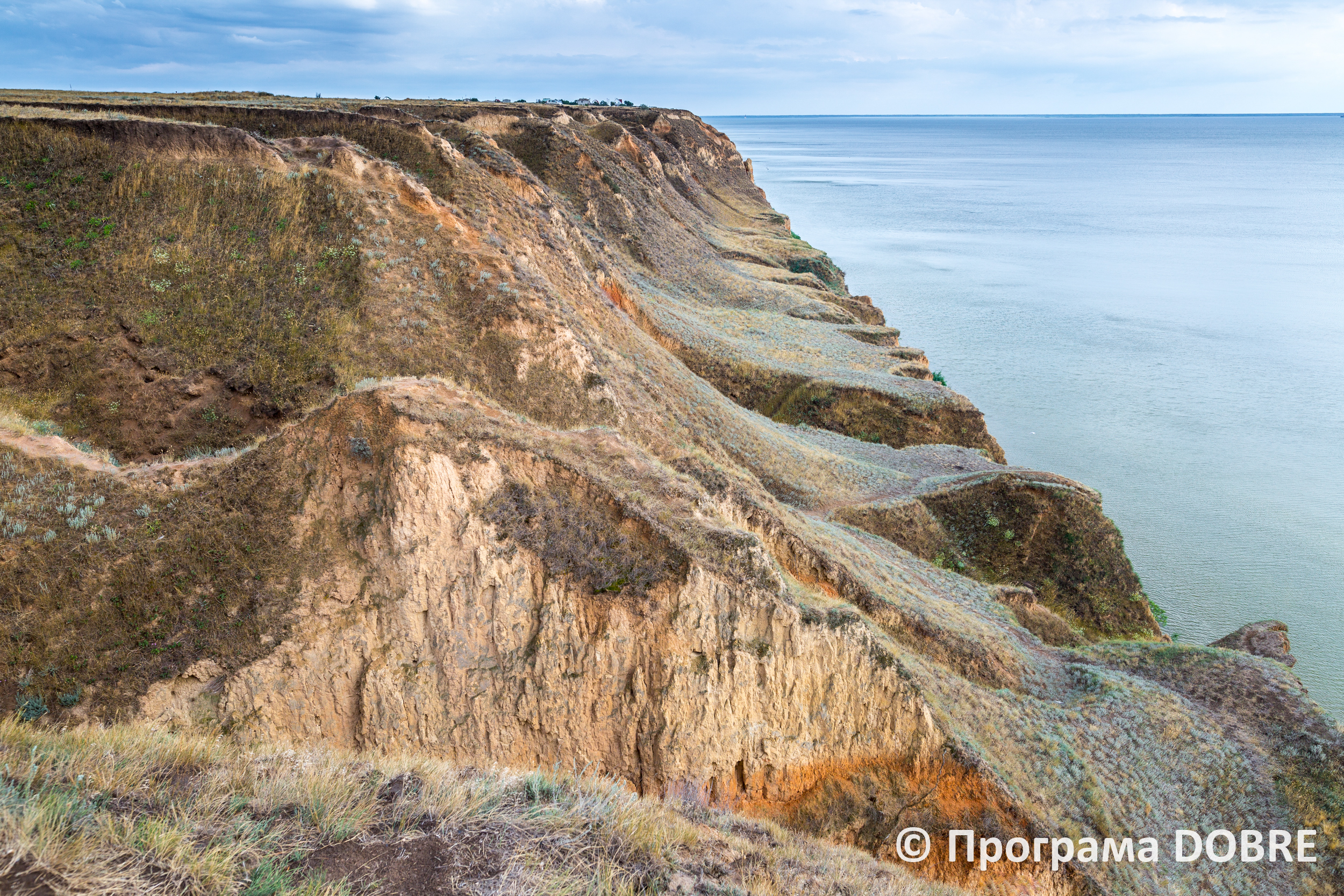
We are talking about the Stanislav Rocks, which tourists are accustomed to calling the Kherson Canyon due to their obvious similarity to the original Grand Canyon in the USA. Historians and archaeologists associate this place with a Bronze Age settlement, in particular the Belozersky and Chernyakhiv cultures, and a settlement of nomads of the Northern Black Sea region. If you look at the map, Stanislav is drowning among the names of settlements from the Cossack era, which exude adventure and a deep past - Belozerka, Kizomys, Tomina and Shyroka Balky, Tavriyske... Another group of names is marked by Catherine's intervention or the first occupation of historical Cossack lands - Oleksandrivka, Galitsinove, Mykilske, or Nikolske, as it is called here. These names from the times of Moscow's expansion in the 18th century evoke strange feelings - they are familiar and dear from childhood, and at the same time they strike with racist-Ukrainian history from memory, responding with a spasm below the belt, with quiet indignation and a message from the nation of the occupiers following the warship.
Having muffled our inner anger and overcome our anxiety for the beautiful Kherson Canyon, we "climb" the Internet for information about what is happening there now. We encounter errors on the sites (most are blocked for reasonable reasons), information that the canyon is flooded due to the explosion of the Kakhovsky reservoir by racists. When we call our friends from Stanislav to find out more - they say that there were dugouts of the occupiers on the coastal territories, and when the right bank of the Kherson region was liberated, the latter mined the territory of the canyon. Once again, pain envelops us, and then emptiness. We are in Stanislaviv (the old name of Ivano-Frankivsk, a city in the far west of Ukraine), it is quiet here, for now. And they are just recovering from the daily arrivals and shelling in southern Stanislav.
On May 8, 2023, after another such arrival, documents and office equipment burned down in the building of the Stanislavsk village council of the Stanislavsk STG, and with them - information. Anna Serbin, former head of the department of education, culture, youth, sports, tourism of the Stanislavsk village council and leading specialist of the Department of the State Service for the Quality of Education in the Kherson region, is currently a mathematics teacher at Pervomaiska gymnasium No. 6, an elegant young woman, beloved wife of a military AFU and a caring mother, with bottomless eyes and an ironic and extremely optimistic disposition, turned out to be - in addition - the keeper of the modern history of the Stanislavsk natural wonder. When we first met her at a training on cultural heritage advocacy in the Carpathians, she told me that since the beginning of the war, her key skill had been to lie face down on the ground and cover her head with her hands...

Anna then said that before the war, local activists had done a lot of work to ensure that natural wonders became a powerful means of community development, that residents would receive stable sources of income from serving visitors, become more confident, wealthier, and not worry about the future, that is, fill their lives with happiness. Before the war itself, with the support of the USAID DOBRE project, the village council and local development organizations created a Business and Tourism Support Center in the community - a bright room with a modern interior, where a co-working space for visitors was prepared, a fully equipped office for staff, restrooms, showers, and a cafeteria. The center was supposed to offer kayaks, tents, and other tourist equipment for overnight stays in the canyon for rent, and provide useful tourist information about local service providers and attractions. It is not surprising that when demolishing, the raiders took everything away, leaving only bare walls, a few monitors, and something else that they could not grab in one fell swoop.
The rocks were the only place where the community's residents could catch a mobile connection during the occupation. They came here specifically, climbed the mountain and talked to the great earth. The rocks probably never dreamed of such a role. However, this page of their biography has already been inscribed in history.
In 2018, the rocks were used to shoot a video for the song known to all Ukrainians - "Places of Happy People" by "Skryabin", where Kuzma sings about travels around the world full of happiness, love and warmth, and shows the world these very Stanislav cliffs, the dark green estuary, the Kinburn Spit and the sky. Thanks to the video, the Stanislavsky Reserve is now known to a multi-million audience of its fans.
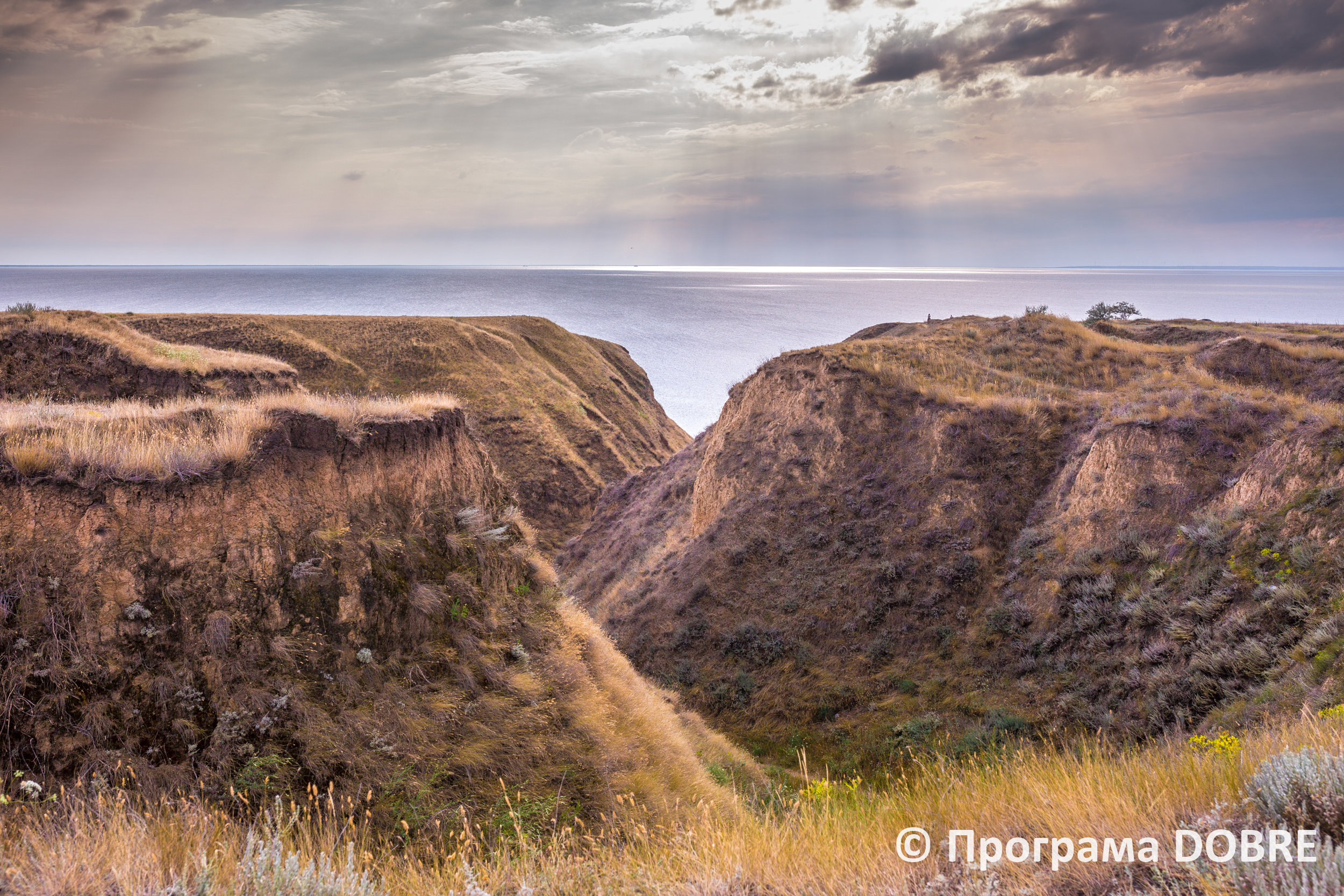
Now the path to the canyon is blocked as if it were a defensive territory, in Stanislav there are many burnt areas, not only landscapes are distorted by dugouts, but also places for the existence of hundreds of natural species. The remains of the dugouts will not dare to be dismantled for a long time. Only if the war ends and the mines are completely cleared.
“Life changed for us in an instant. I can call our current state suspended, in a “waiting” mode, when everything has stopped, except time. You live and believe that everything will be fine. You live and wait for victory. And after the victory, we will restore the land and many guests will come to us. Now I know for sure that we are happy because we are simply lucky to live in this beauty. When you find yourself on the edge of a cliff at sunset and fold your hands in front of the sun – it seems to end up in them, and then roll into the water. When you close your eyes, time stops, you feel the power of three elements: the smell of Lymar water, a fresh cool breeze, and the smell of steppe dust. This trick should definitely be tried by everyone who visits here, if you make a wish, it will definitely come true! ", Anya reflects. And we continue to believe that the day will soon come when life on Stanislavsky Rocks will start to flourish and they will become one of the most popular centers among tourists.
The article was prepared within the framework of the project of the Agency for Private Initiative Development " Promoting Youth Civic Participation in Decentralized Communities" with co-financing from the National Endowment for Democracy (NED).

 26 Dnistrovska St., office 12