 +38 0342 504605
  office@arpi.org.ua


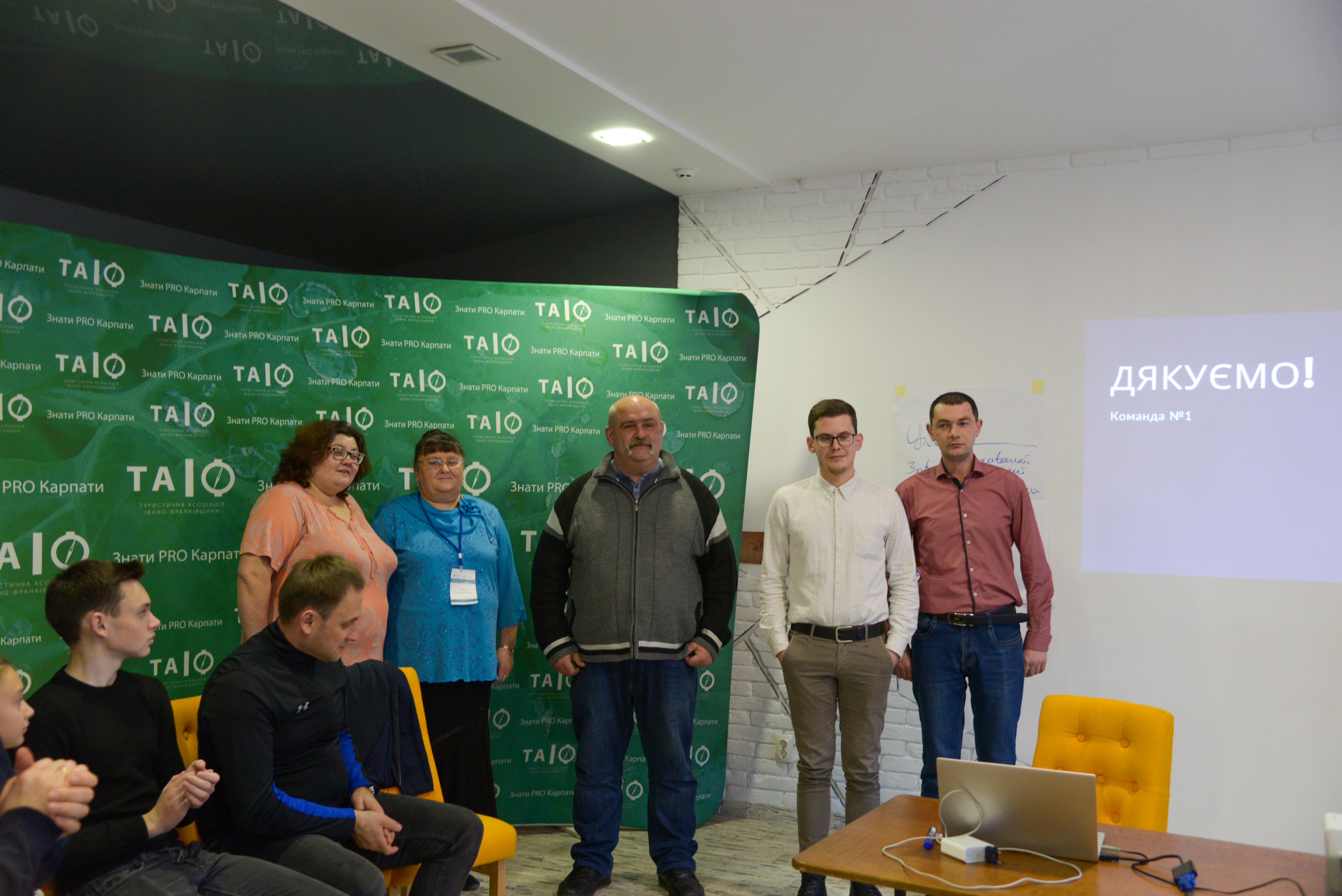
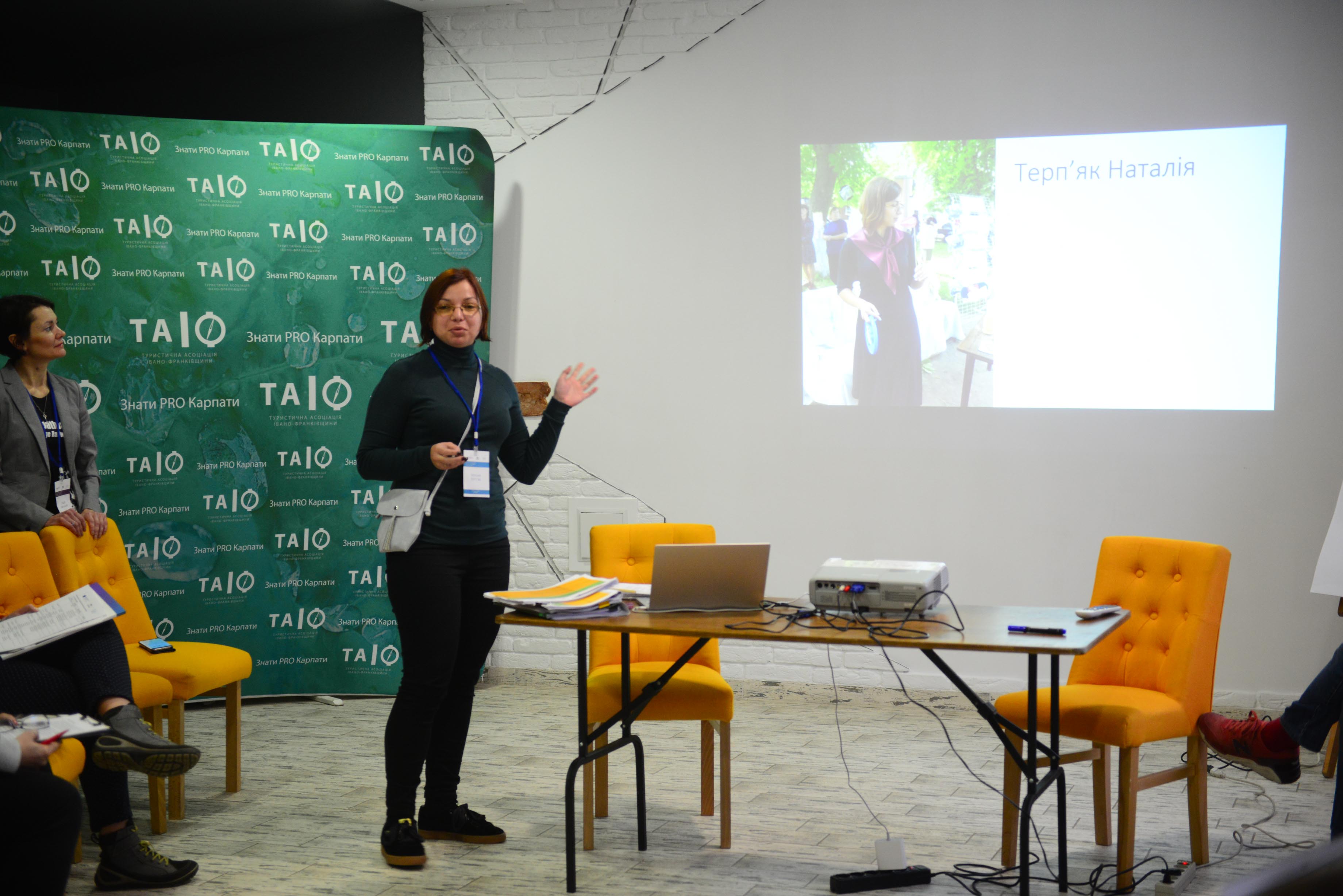
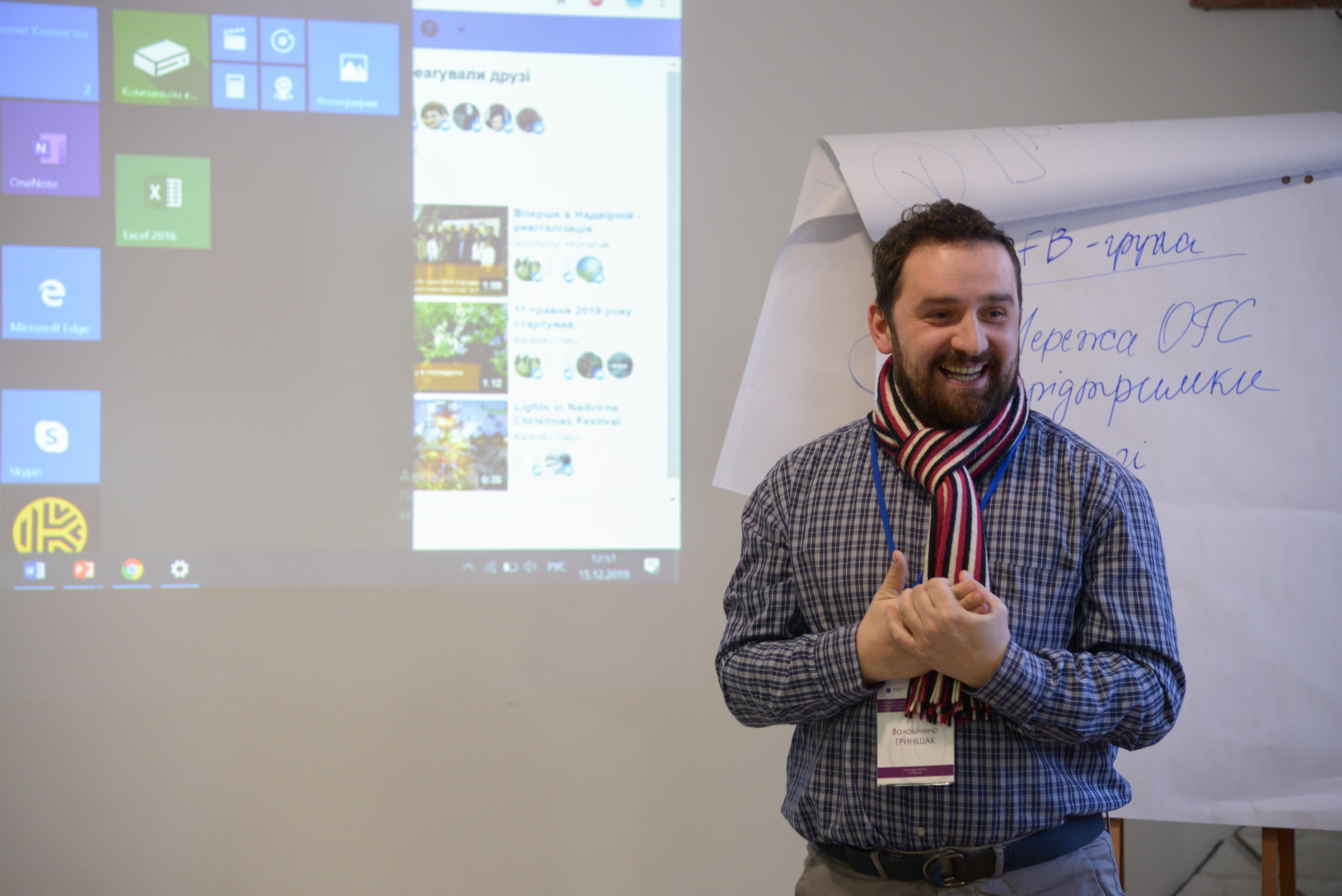
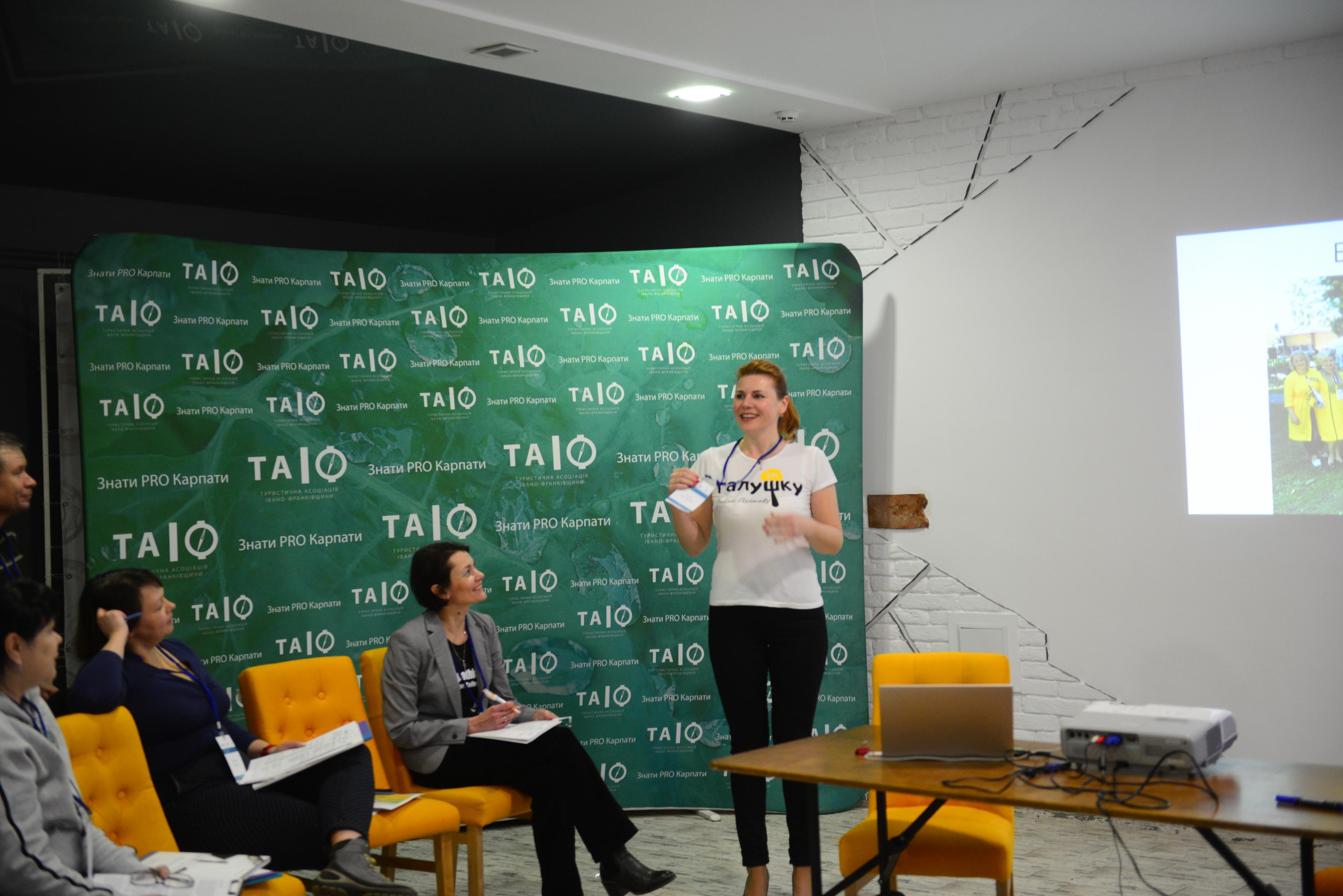
Classic questions on which both knowledge of the world and participatory planning are based. The participants of a four-day workshop for Ukrainian CSOs on December 12-15 in Yaremche, organized and conducted by the CSO network for supporting communities with heritage GO!Heritage, found answers to these questions.
The workshop was preceded by a competitive selection of participants. The criteria for participation in the training were the presence of cultural heritage sites, the specific type and goals of the activity that the participant (community) plans for specific heritage sites, the coordination of such activities with the priorities of the community, the focus of the activity on specific target groups and the expectations of the target groups that the activity can satisfy, the uniqueness of the story (theme related to heritage) for the target groups, and the role of CSOs in this activity.
Therefore, the workshop brought together twenty of the most motivated public leaders who strive for smart heritage management in order to preserve it and turn it into a source of pride for the communities to which this heritage belongs.
Public associations and charitable organizations that cooperate or have substantive intentions to cooperate with communities of specific villages, towns, small cities/cities of district significance (including ATCs) in the field of preservation and interpretation of cultural and natural heritage were invited to participate.

Why small communities? Mostly these communities are quite limited in resources, and one of such resources that communities have historically possessed is heritage. The non-use or irrational use of heritage resources is short-sightedness and, moreover, a mistake that deprives many communities of the chance for development and attractiveness - both in the eyes of visitors and in the eyes of local residents. In such circumstances, local heritage turns into a liability, which will be increasingly difficult to service without adequate budget revenues - while it could itself become a factor in boosting the local economy and generating community income
It was the interpretation of heritage that was the main theme of the workshop. Interpretation is much more than informing or simple interpretation. This is the process of creating added value around heritage through the disclosure of its content, values, which forms the appropriate perception of local residents, encouraging them to have a responsible attitude towards heritage and its preservation, as well as a respectful attitude and desired consumer behavior of community visitors. Interpretation is an effective and internationally proven tool for heritage management, and the active involvement of CSO representatives in heritage management, who will have the necessary knowledge and experience, will allow us to move away from outdated approaches and practices, launch creativity and implement non-standard public initiatives. In this way, it is quite possible to realize both the potential of local heritage and the significant potential of CSOs, which remains unclaimed today.
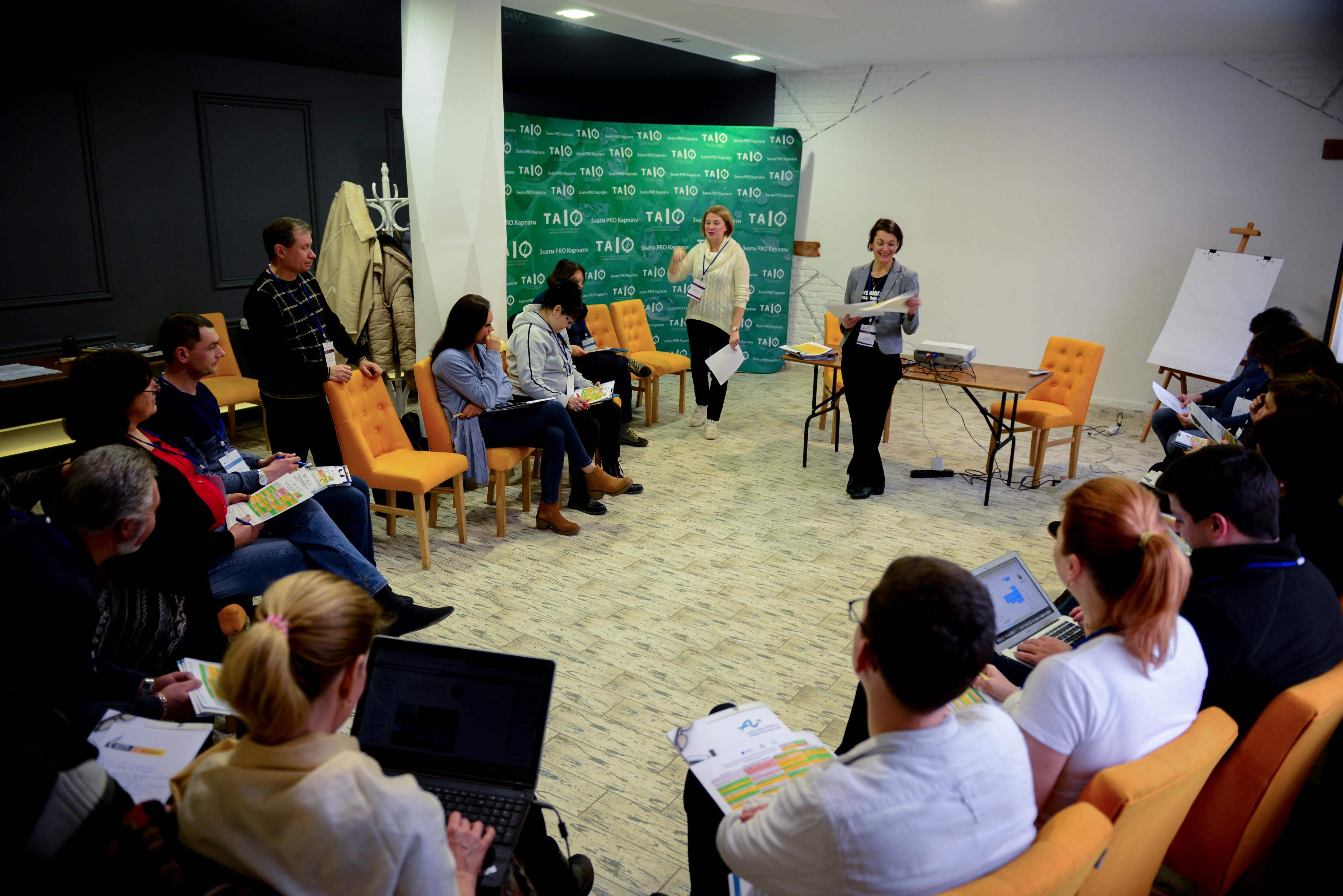
Four days of intensive training: theory, practice, working with heritage outside the classroom and sharing experiences. In addition, the participants of the training had a unique opportunity to get acquainted with the heritage interpretation plan first-hand, analyze it and get tools to create interpretation plans for their own heritage sites.
The knowledge gained, in particular on understanding heritage interpretation, means of interpretation, heritage management and crowdfunding, together with the skills of creating an interpretation plan, will help the participants of the training to fully reveal the value of heritage and rationally use its economic potential for local development in cooperation with their communities, correctly position heritage-based products for visitors and investors, and encourage residents not to remain indifferent observers, but to become active guardians and ambassadors of local heritage.
The training workshop was organized within the framework of the project “Heritage for Development: Increasing Public Participation in the Preservation and Use of the Heritage Potential of Local Communities”, implemented by the Agency for the Development of Private Initiatives with co-financing from the National Endowment for Democracy (NED). The goal of the project is to increase the level of activity and involvement of civil society and CSOs in Ukraine in the development and implementation of policies on the management of cultural heritage of local communities. The project partners are the Charitable Foundation “Creative Center CCK” and the Tourist Association of Ivano-Frankivsk Region. More information about the project here: https://bit.ly/2Q7V0eh.
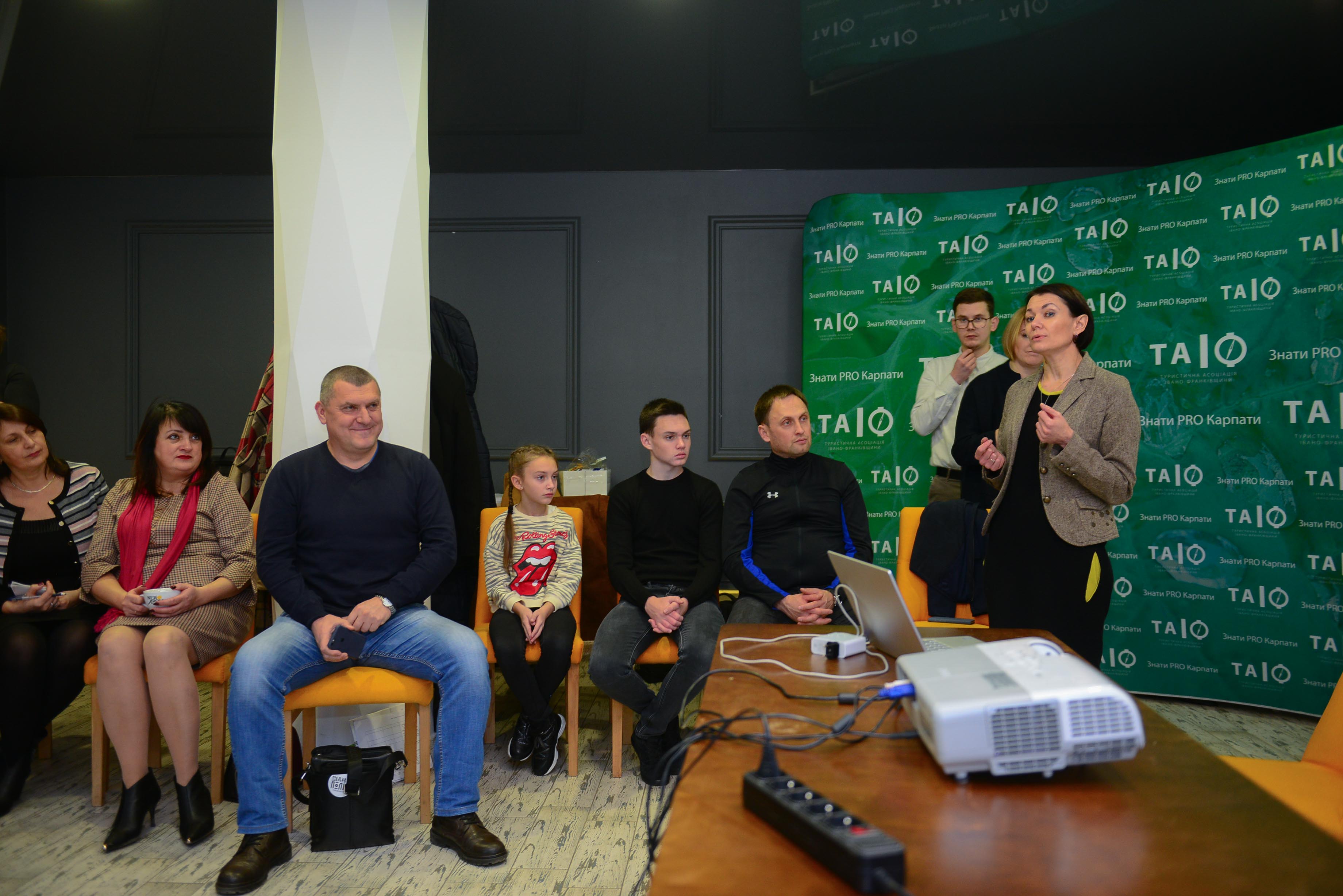
The main condition for receiving certificates by workshop participants is the preparation of interpretation plans in the field - with the participation of residents and various stakeholders: representatives of local government bodies of communities; owners, balance sheet keepers of major heritage sites, representatives of local businesses, folk craftsmen, performers and other persons who create and offer visitors local products (goods and services) related to heritage, local historians, historians, teachers, folklorists, other specialists who are familiar with and research the past of the community, local culture, everyday life, traditions and nature; persons with special skills necessary for interpretation (research, text creation, design, web design, etc.).
It is the presence of these plans that will allow moving to the next stage of the workshop - the implementation of specific activities within the framework of the developed action plans with public participation.
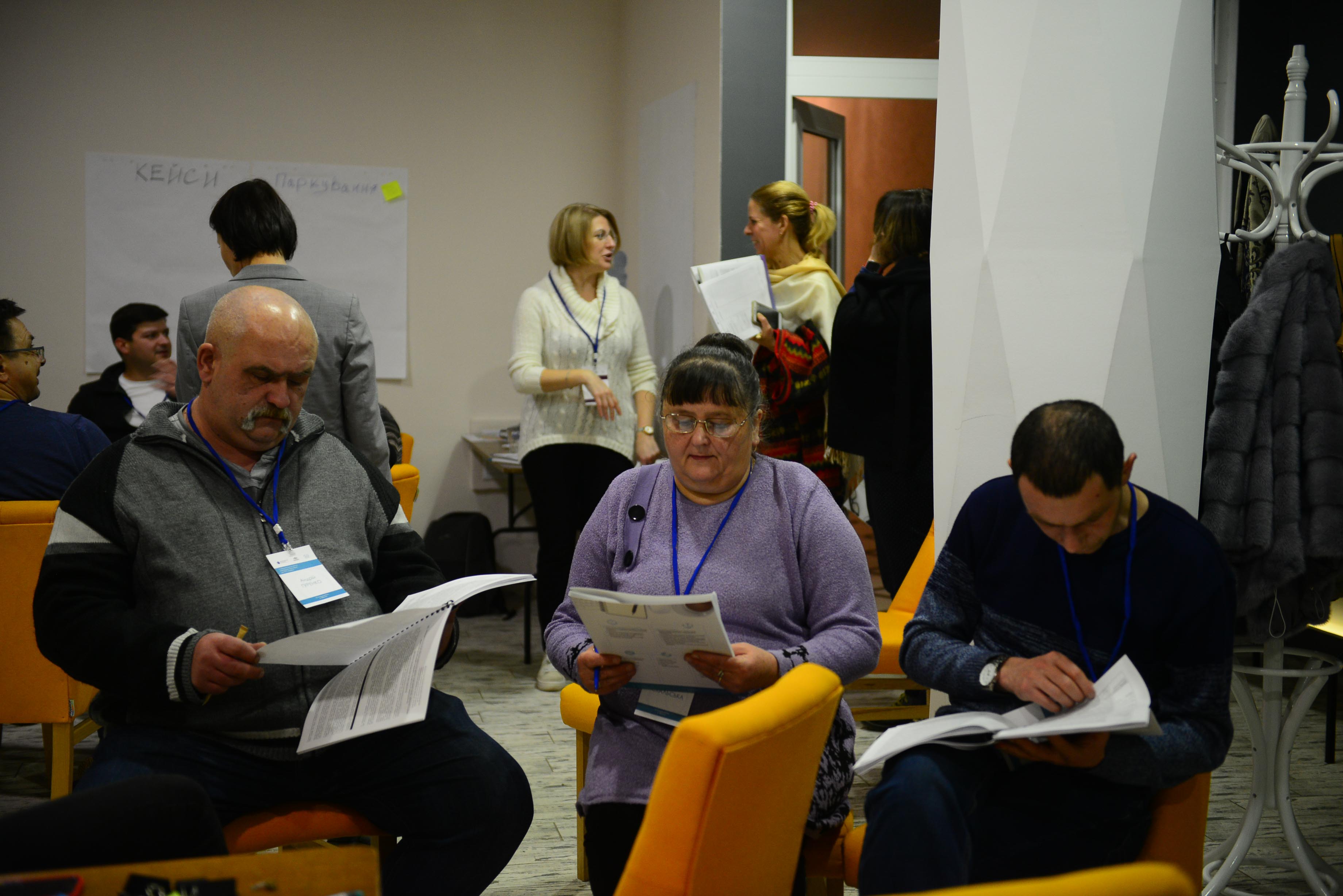
Currently, participants are preparing plans together with opinion leaders from local communities. Among the participants of the training are representatives of territorial communities from 13 regions of Ukraine:
- Chornukhynsk village united territorial community (Poltava region), the object of which is the Lokhvytsky zemstvo school, designed by architect Afanas Slastion over 100 years ago;
- Vyshcheolchedaivska village council (Vinnytsia region), heritage object: Manor of sugar producer Naftan Kogan (second half of the 19th century);
- Bilokaminska village council (Lviv region), heritage object: Church of the Assumption of the Blessed Virgin Mary (White Stone) - 1613;
- Novooleksandrivska village AH (Dnipropetrovsk region), heritage object: Kodak Fortress (architect: Friedrich Getkant), Cossack cemetery of the 17th century;
- Territorial community of the city of Chuhuyiv (Kharkiv region), a city classified as a historical city of Ukraine - the total number of national and cultural heritage of monuments of architecture, archeology, history and monumental art is 42 units, which is about 15% of the historical and cultural potential of the Kharkiv region;
- Chornoostrivska AH (Khmelnytskyi region), heritage sites: Palace of the early 19th century, Town Hall;
- Smt. Bratslav (Vinnytsia region), heritage site: Zamkova Gora (1613);
- Nemovytska AH (Rivne region), heritage site: Polish defensive structures (bunkers), which were built along the Polish-Soviet border;
- m. Kreminna (Luhansk region), heritage sites: former building of the soda factory hospital (1899), protected area "Oak Grove" (oak trees over 300 years old)
- Pechenizhynska AH (Ivano-Frankivsk region), heritage sites: crafts and Arkan dance;
- Pryyutivska AH (Kirvohrad region), heritage sites: local folklore and customs, large and small rocks (landscape reserve of local importance, status received in 1995);
- Kadubovetska AH (Chernivtsi region), heritage sites: monuments of the Austrian era, spiritual heritage;
- Chervonohrad city (Lviv region), heritage site: Potocki Palace (architectural monument of the 18th century);
- Turbiv (Vinnytsia region), heritage site: Turbivskyi Park (created in the same years as Umanskaya Sofiivka);
- Small communities of Chernivtsi region, heritage site: culinary heritage (cheese making) and family farming traditions;
- Buchach city (Ternopil region), heritage site: Town Hall (built in 1751 in the Baroque style);
- Myshuryn-Rizk village council (Dnipropetrovsk region), heritage sites: Myshuryn-Rizk fortress, the last "painted hut", the brand "Myshuryn-Rizk fair", traditional pastries;
- Demydivska AH (Rivne region), heritage sites: NIMZ "Field of the Battle of Berestec" in the village Plyasheva, a multi-layered settlement in the Shankiv Yar tract, culinary heritage in the village of Plyasheva (buckwheat dumplings), lost religious buildings of the Demydiv district (church of the village of Lysyn, Jewish heritage);
- Mensk AH (Chernihiv region), heritage sites: 104 archaeological sites and 60 historical sites;
- communities of the village of Tartakiv, the village of Vyshcheolchidayiv and others - architectural heritage.

 26 Dnistrovska St., office 12